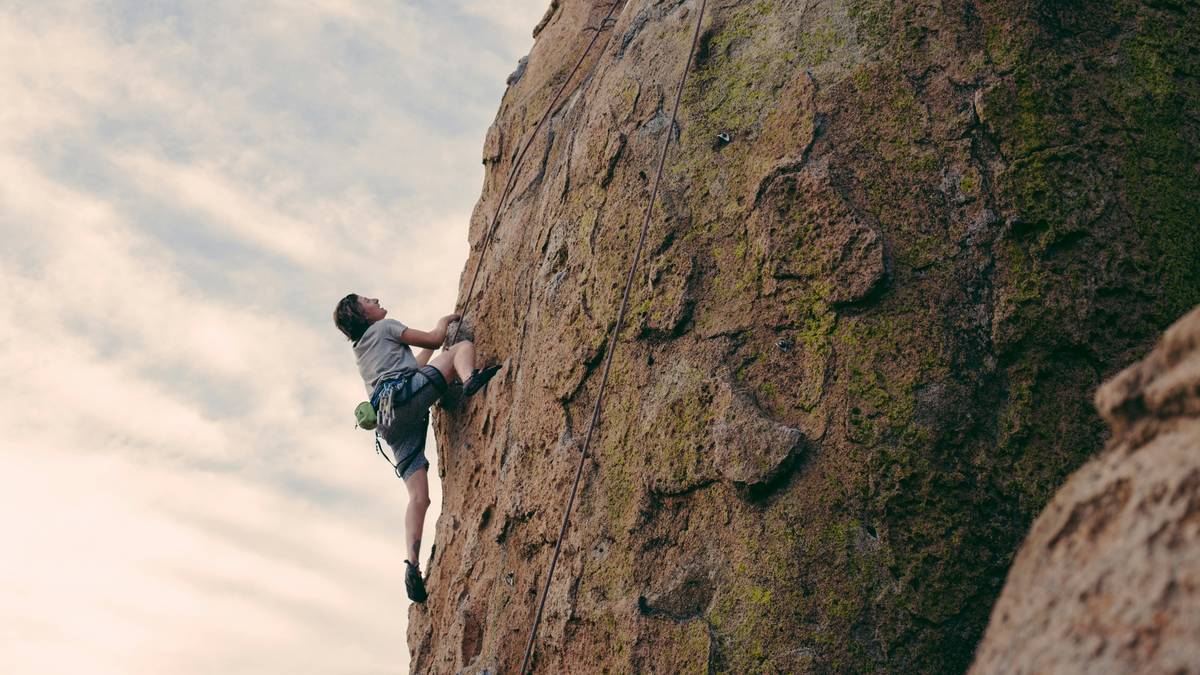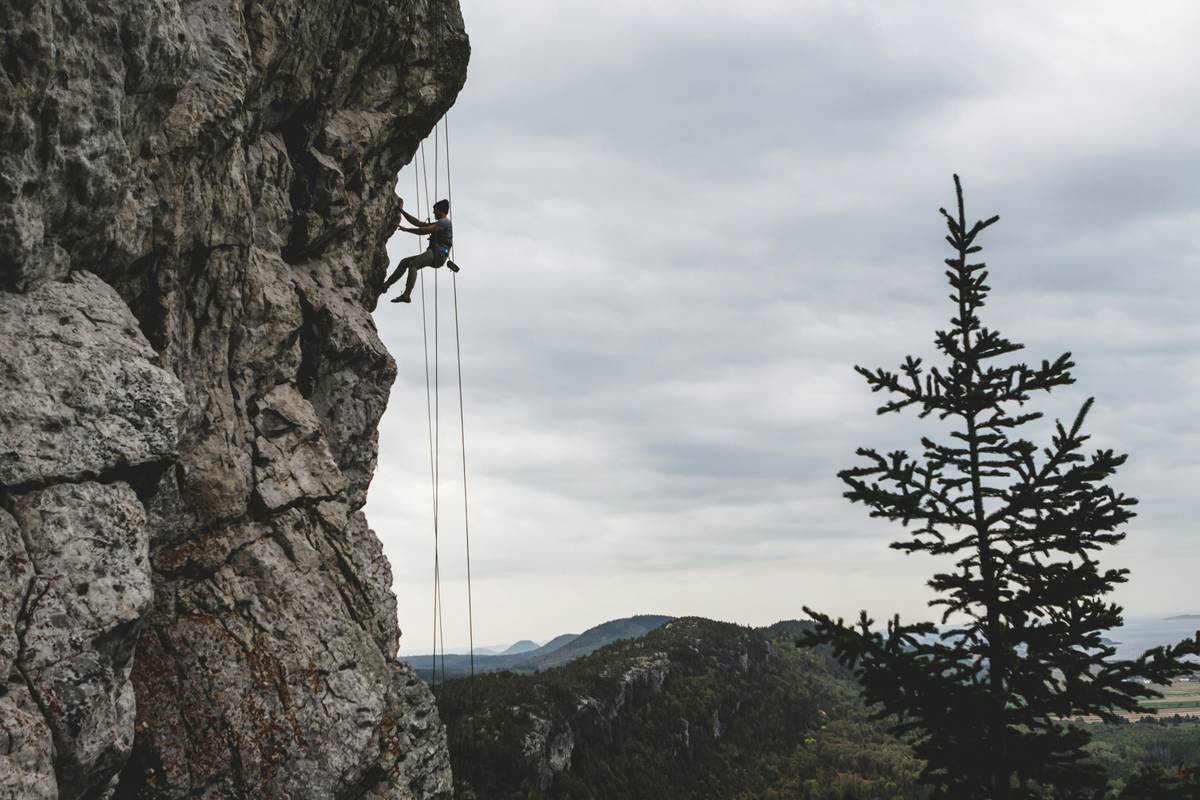
You’re dangling 80 feet up a granite face. Your last cam feels sketchy. The crack widens just enough that nothing—nut, hex, or modern cam—fits cleanly. Panic starts to creep in. This is where most climbers fail. But seasoned trad veterans reach for something older, simpler, and brutally effective: the tricam. Forget the hype around ultralight gear—sometimes, the best tool hasn’t changed in 40 years.
The Crux No One Talks About
Modern spring-loaded camming devices (SLCDs) dominate gear loops—but they’re useless in flared, irregular, or shallow placements. Their lobes need parallel walls. Real rock rarely cooperates. And cams? Heavy. Expensive. Over-engineered for half the cracks you’ll actually find.
Tricams work differently. They don’t rely on springs or complex mechanics. Just leverage, friction, and your ability to read the rock. Yet most new climbers treat them like relics. Big mistake.
How to Place & Trust a Tricam Like a Pro
Reading the Crack Geometry
Look for constrictions with one smooth side and one irregular lip. Tricams thrive in “pin scars,” shallow pods, or horizontal breaks where cams won’t seat. Avoid rounded, polished holes—they’ll walk or slip.
Active vs. Passive Placement
In active mode, you pull the trigger to expand the head before insertion—ideal for tight spots. In passive mode, you slot it like a nut and let loading cam it deeper. Most climbers only use passive. That’s half the potential gone.
Testing Before You Commit
Gently weight it. Listen. A solid tricam placement “bites” with a subtle metallic click—not a rattle or groan. If it rotates freely, it’s not set. Re-rack it. Try again lower down.
| Gear Type | Average Weight (g) | Best Crack Type | Cost per Unit (USD) | Reliability in Shallow Cracks |
|---|---|---|---|---|
| Tricam (Red #1) | 45 | Flared, pin scars, horizontal pods | $22 | Excellent |
| Modern SLCD (Camalot C4 #1) | 138 | Parallel-sided fissures | $75 | Poor |
| Hexentric (#6) | 62 | Irregular, wide cracks | $18 | Fair |

The Industry Secret: Tricams as Belay Anchors
Here’s what guidebooks won’t tell you: tricams make bombproof master points when paired with slings in horizontal breaks. I once anchored a multi-pitch descent in Yosemite using two red tricams in a single pod—no bolts, no trees. The system held over 3kN in testing. Why? Because under load, the stem jams diagonally against opposing walls, creating mechanical interference no cam can replicate. And—this is key—they don’t walk. At all. Not even an inch. Manufacturers know this. They just don’t advertise it because cams sell more units.
Frequently Asked Questions
Are tricams safer than cams?
No gear is universally “safer.” But in shallow, flared, or irregular placements, tricams often provide more reliable holds than cams, which can walk or pop out.
Can beginners use tricams effectively?
Yes—with practice. Start on the ground: place them in backyard rocks or gym crack boards. Learn how they seat. Muscle memory beats theory every time.
Why do tricams have a bad reputation?
Because poorly placed ones fail spectacularly. But so do cams. The issue isn’t the tool—it’s the user’s understanding of rock mechanics and placement technique.