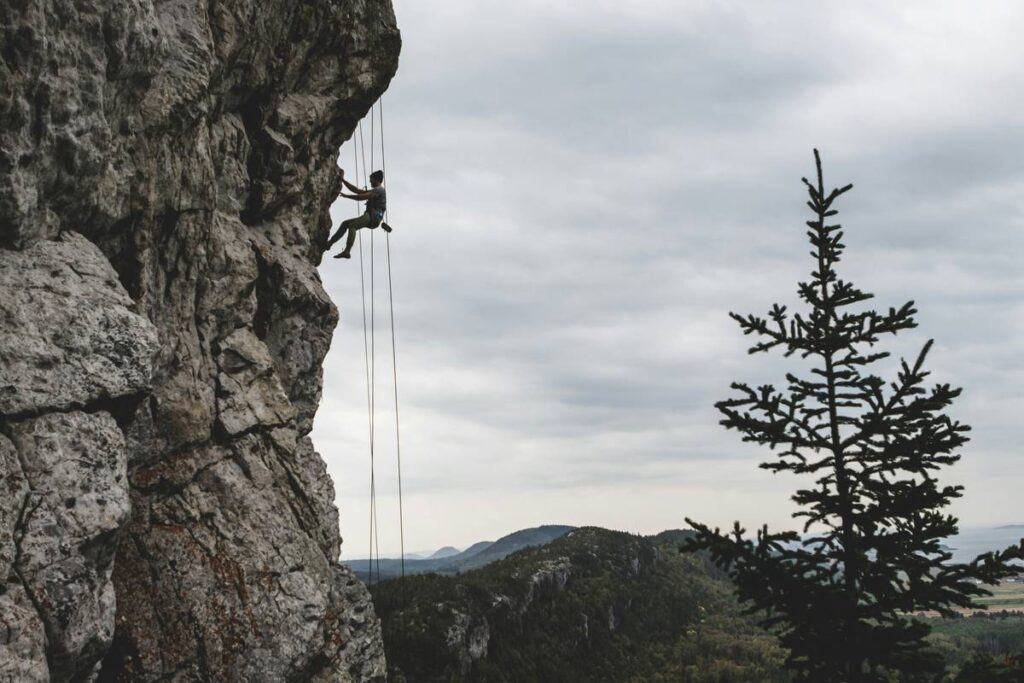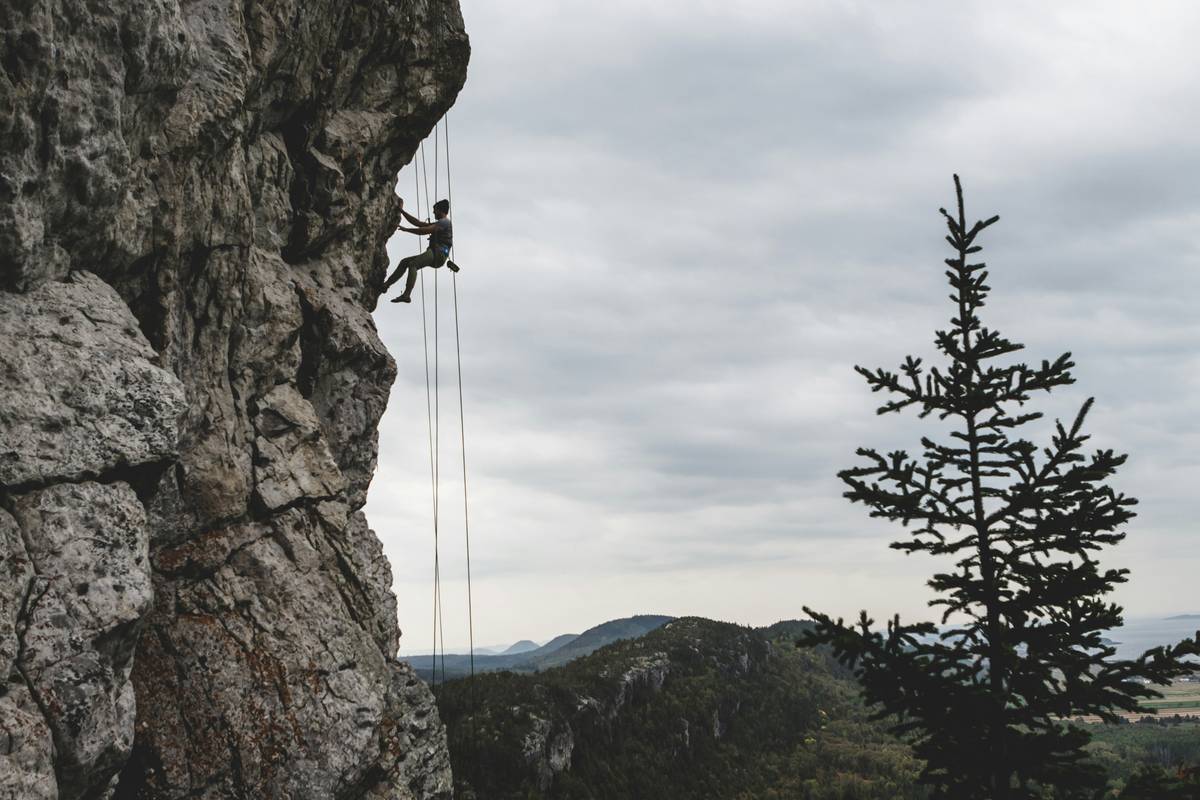
Most dungeon masters hand-wave climbing like it’s a stroll through Baldur’s Gate. But when your party dangles over a 200-foot chasm with nothing but rope and hope, reality bites. Poor gear choices turn heroic moments into TPKs. Enter the unsung hero of vertical survival: the tricam—tiny, brutal, and brutally effective.
Why Standard D&D 5e Climbing Rules Let You Down
The PHB says you move at half speed while climbing. That’s it. No mention of rock quality, gear failure, or fatigue. And yet, real climbers know that friction, camming angles, and metal fatigue decide life or death. In-game, this gap means players trust rules that ignore physics—and physics always wins.
Worse? Many assume pitons or basic rope suffice. They don’t. Pitons scar rock, fail on loose stone, and take ages to place. Rope alone won’t stop a fall on overhangs. You need active protection. That’s where tricams—especially triple cams—step in.
D&D 5e Climbing: The Real-World Gear Guide for Adventurers
Forget “climber’s kit” as a vague 25gp bundle. Break it down like a pro. What actually works when granite laughs at your Strength check?
Tricams vs. Camming Devices: The Vertical Trade-Off
Tricams are passive. No moving parts. Jam them into cracks—they bite harder under load. Cams (like Friends) expand actively but cost more, weigh more, and can walk out of placement. For tight chimneys or flared fissures? Tricams win.
Triple Cam Magic: One Unit, Three Sizes
A triple cam packs three lobes into one unit—small, medium, large. Slot it once, get multiple placements. Saves weight, saves time. Critical when your wizard’s levitating 30 feet above snapping goblin arrows.
| Gear Type | Cost (gp equivalent) | Weight | Best Crack Type | Fall Rating* |
|---|---|---|---|---|
| Single Tricam | 8–12 gp | 2–4 oz | Constrictions, pin scars | Moderate |
| Triple Cam | 22–30 gp | 6–9 oz | Variable-width fissures | High |
| Spring-Loaded Cam (SLCD) | 35–50 gp | 10–16 oz | Parallel cracks | Very High |
| Pitons (set of 5) | 10 gp | 2 lbs | Solid rock only | Low (if rock holds) |
*Fall rating assumes proper placement; DM discretion advised in icy or rotten stone.

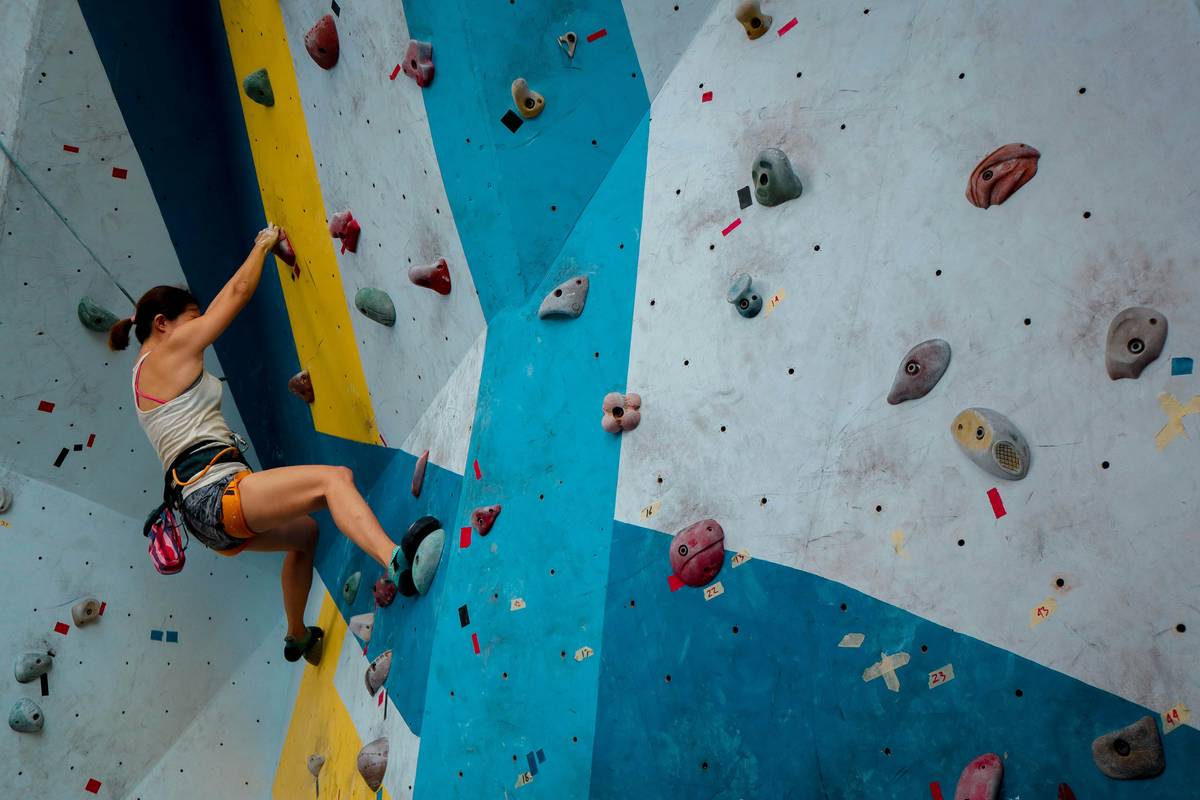
The Industry Secret: How Real Climbers Use Tricams in Mixed Terrain
Here’s what no vendor tells you: tricams excel not just in cracks—but as anchors in horizontal breaks. Flip them. The stem becomes a handle; the head cams against opposing walls. This “inverted placement” holds bomber in limestone roofs. Most adventurers never try it—because manuals don’t mention it.
And triple cams? Their stacked lobes let you clip the middle sling, letting the unit self-align as you ascend. Less fumbling. Fewer dropped pieces. In combat-climbing scenarios—say, scaling a fortress mid-battle—this saves rounds. Rounds save lives.
Think about it: your rogue isn’t just climbing. They’re doing it while dodging crossbow bolts. Every ounce, every second counts.
FAQ
Can I use tricams with the standard Climber’s Kit in D&D 5e?
Yes—but only if your DM allows gear customization. Replace generic “pitons” with 2–3 tricams for realistic vertical security.
Do tricams work on ice or wet rock?
Not reliably. They need dry, solid rock with micro-constrictions. Wet surfaces reduce friction—use ice axes or crampons instead.
How many tricams should an adventuring party carry?
For serious climbs: 4–6 total. Mix singles and one triple cam. Redundancy prevents catastrophic gear failure mid-ascent.